Biohacking

Bacteriostatic Water Storage for Laboratory Use
Bacteriostatic water is used in certain laboratory settings where a water-based preparation containing an antimicrobial preservative is...

Peptide Concentration Explained for Researchers
Peptide concentration is a fundamental measurement in laboratory research. It helps researchers describe how much peptide is present in...

How to Reduce Errors in Peptide Lab Calculations
Accurate calculations are an essential part of reliable peptide research. Whether a laboratory is working with reference materials, pre...
AICAR and Exercise-Mimetic Research: What the Science Says
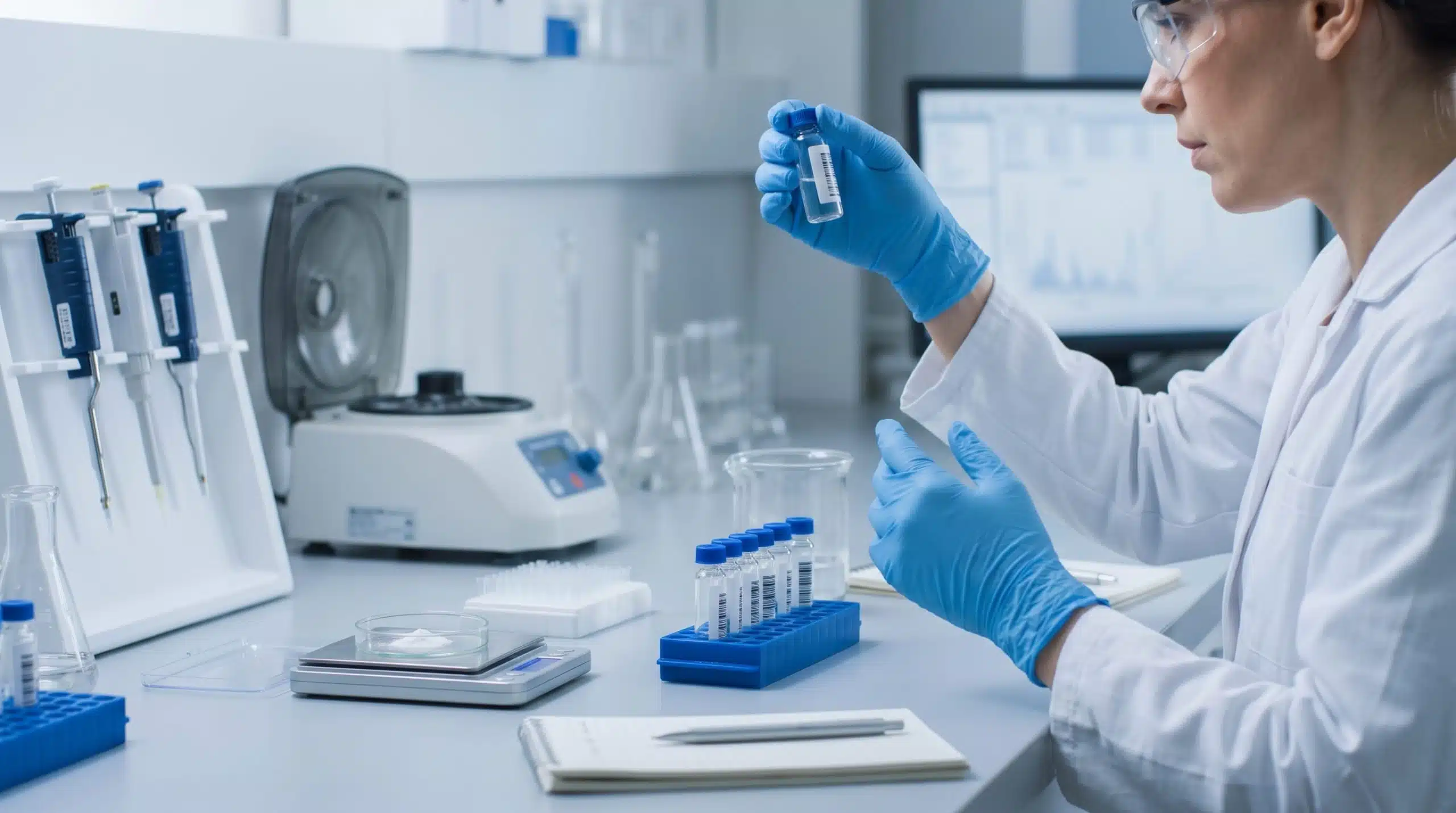
AICAR is often labelled an “AICAR peptide”, but it is actually a small molecule, also called acadesine, that activates AMP-activated pr...
Peptide Pens vs Cartridges for Laboratory Research
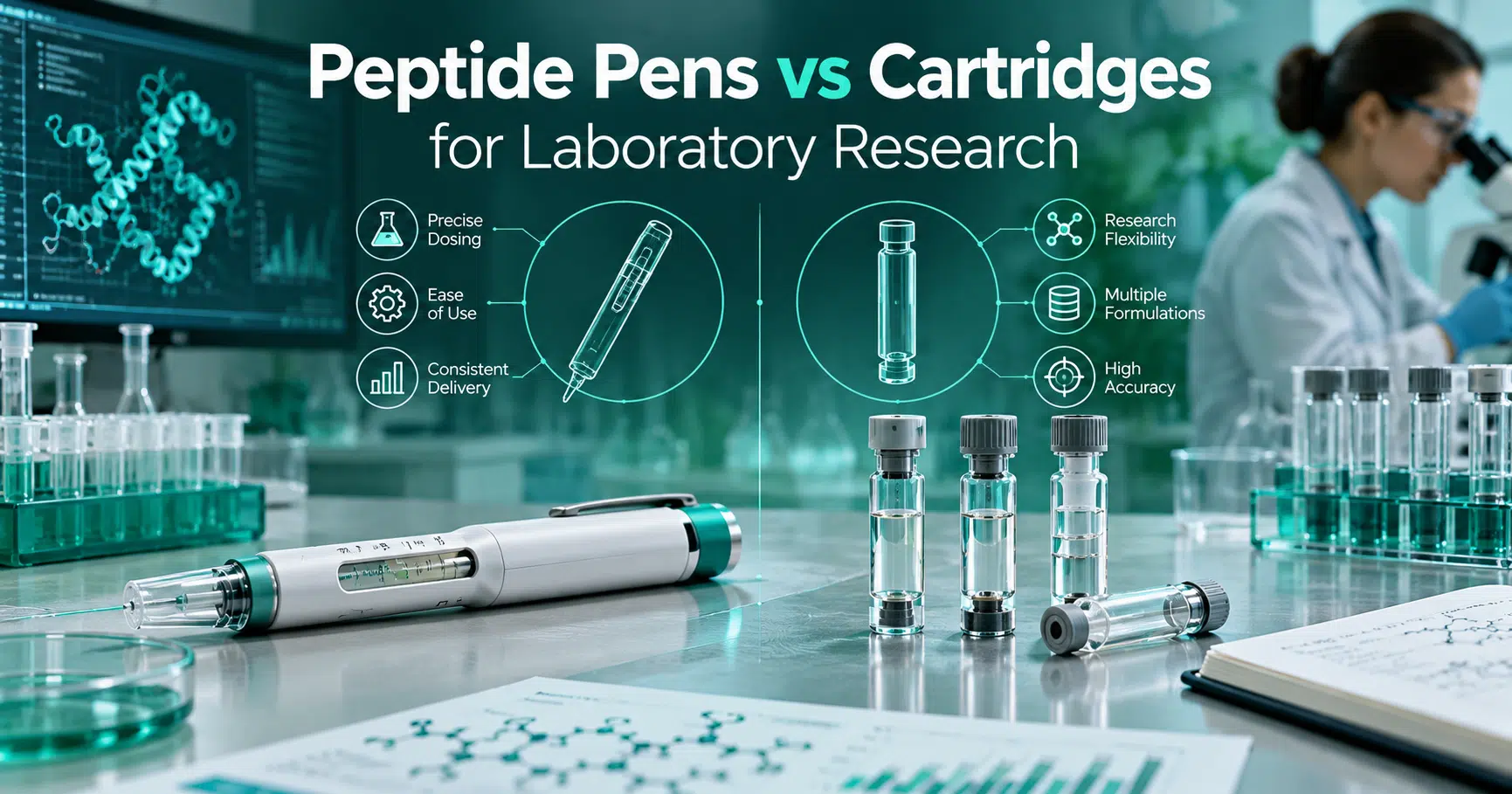
Peptide pens and cartridges are related components, but they are not interchangeable terms. A pen is a dispensing device or an assemble...
Sermorelin vs CJC-1295: Choosing a GH-Releasing Peptide for Research
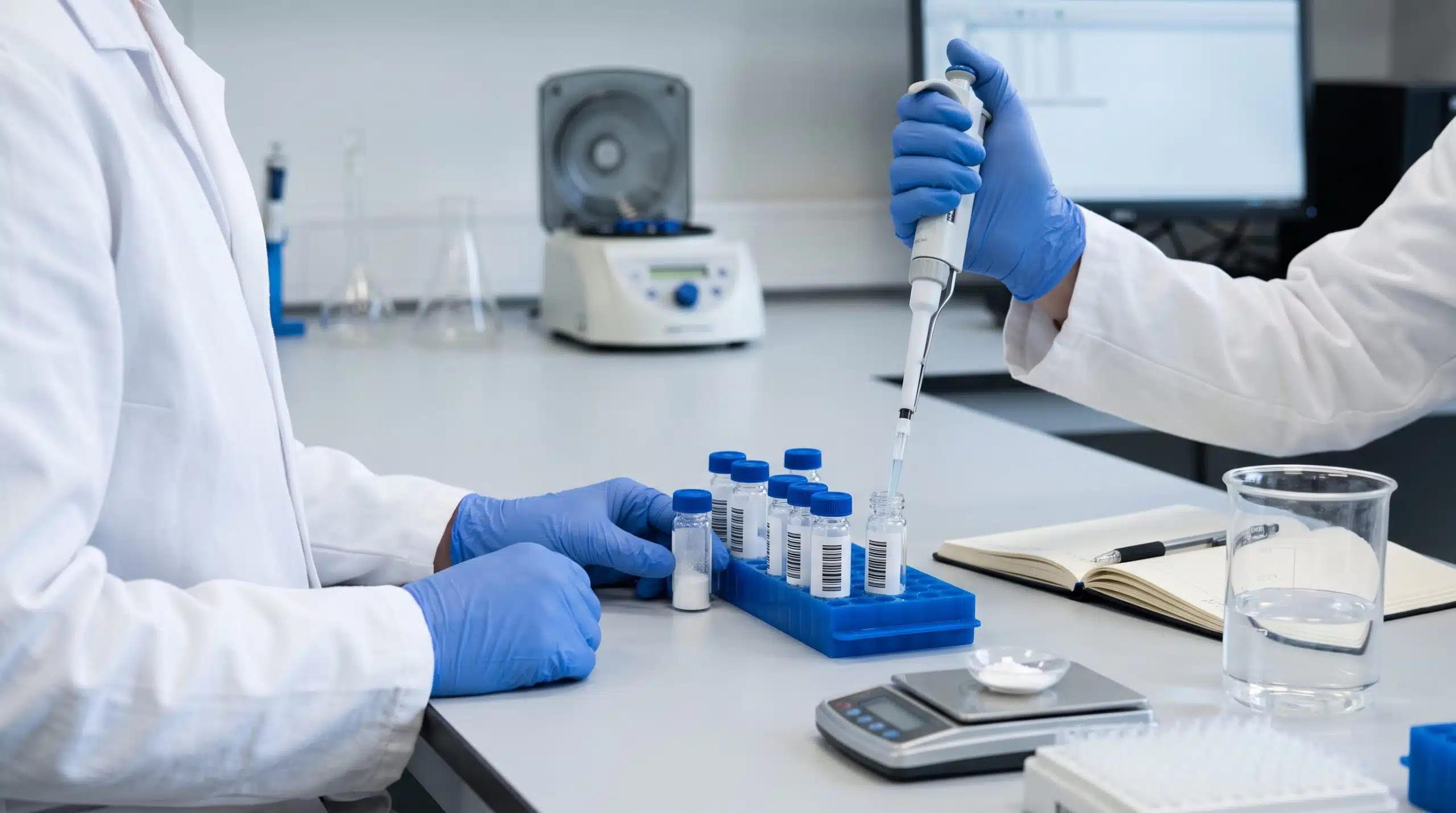
Sermorelin and CJC-1295 are GHRH analogues that act on the same pituitary receptor. They differ in structure, half-life and the way the...

Vial vs Spray Peptides: A Laboratory Comparison
Comparing peptide vials and sprays requires more than looking at the container. A vial describes a type of primary packaging, while a s...
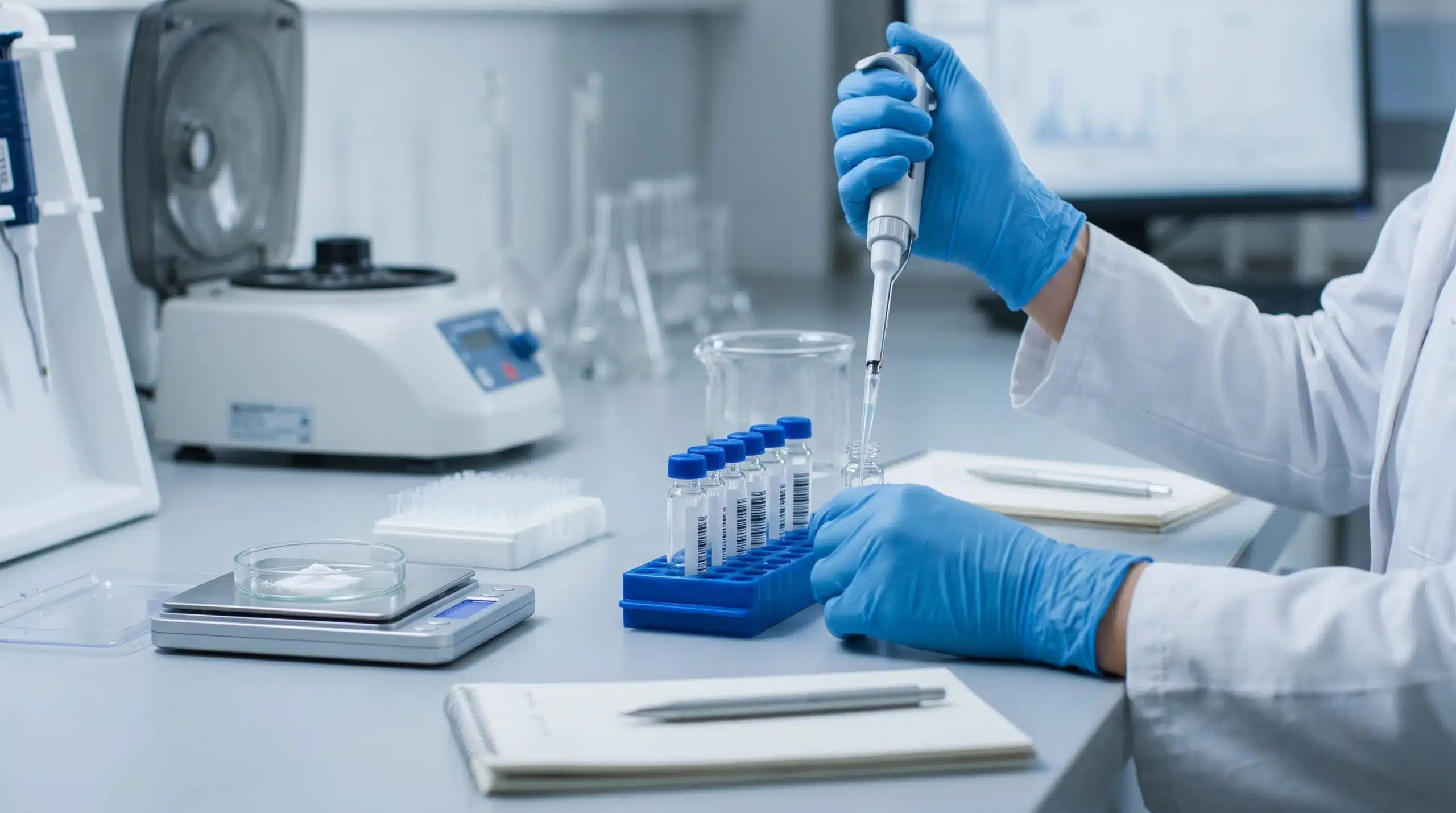
KPV Peptide Guide: What It Is and What the Research Shows
KPV peptide, short for lysine-proline-valine, is a fragment of alpha-melanocyte-stimulating hormone (a-MSH) that researchers study in c...

Peptide Sprays vs Injections: How Delivery Method Affects Research Use
Peptide delivery methods, also called routes of administration, are the ways a peptide reaches its target in a study or a treatment. Pe...