Biohacking

Emerging Technologies Transforming Peptide Synthesis and Stability
Peptides are increasingly becoming the focus of modern scientific research, with applications in therapeutic development, laboratory st...
How Does Ipamorelin Impact Fat Loss, Muscle Growth, and Body Composition?
Ipamorelin is one of the most well-regarded peptides in the field of hormone and fitness research due to its unique ability to stimulat...

Who Is a Candidate for Tesamorelin Therapy (Medical Indications)?
Tesamorelin is a synthetic peptide that functions as a growth hormone–releasing hormone (GHRH) analogue, designed to stimulate the natu...
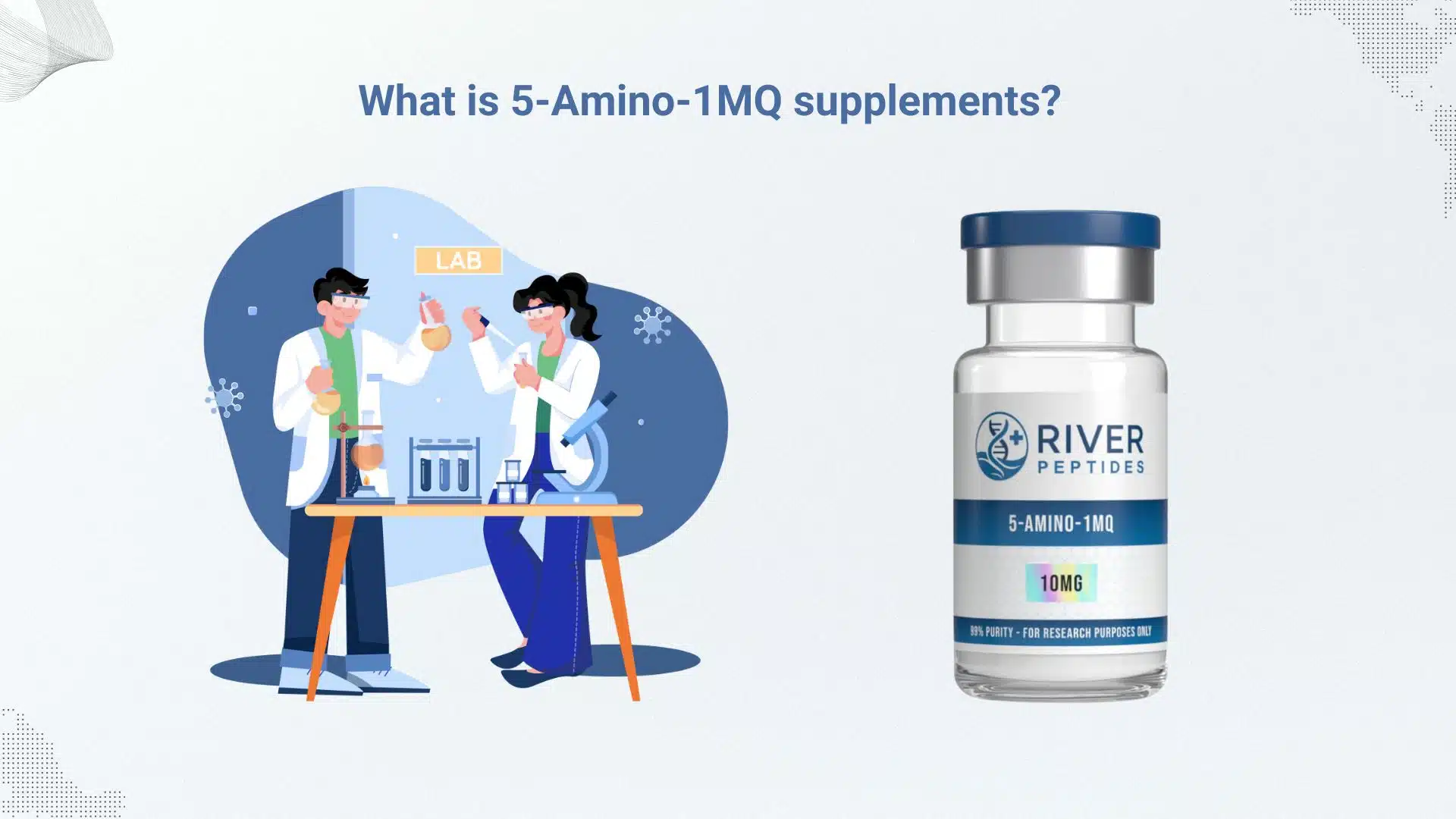
What is 5-Amino-1MQ supplements?
5-Amino-1MQ is a research compound studied for its potential effects on fat metabolism, energy production, and cellular health. It’s no...

Common Mistakes When Reconstituting Peptides
Peptide reconstitution is a key step in laboratory research, turning a lyophilised peptide powder into a usable solution. While the pro...

BPC-157 Studies: What Does the Science Say?
BPC-157 has gained significant attention in the health and performance community due to its reported healing and regenerative propertie...

What Is Cagrilintide and How Does It Work Biologically?
Cagrilintide has recently gained attention as a promising peptide for managing appetite and supporting weight loss. As science continue...

How to Use the River Peptides Reconstitution Calculator Effectively
Accurate peptide preparation is a vital part of laboratory research. Even the smallest error in measurement can lead to wasted compound...

MOTS-c and the Timing Question: AMPK, mTOR, and Where They Intersect
{
"@context": "https://schema.org",
"@type": "Article",
"headline": "MOTS-c Timing: AMPK, mTOR, and Where They Intersect...