Blog
NAD+ Spray and Cellular Energy Research Basics

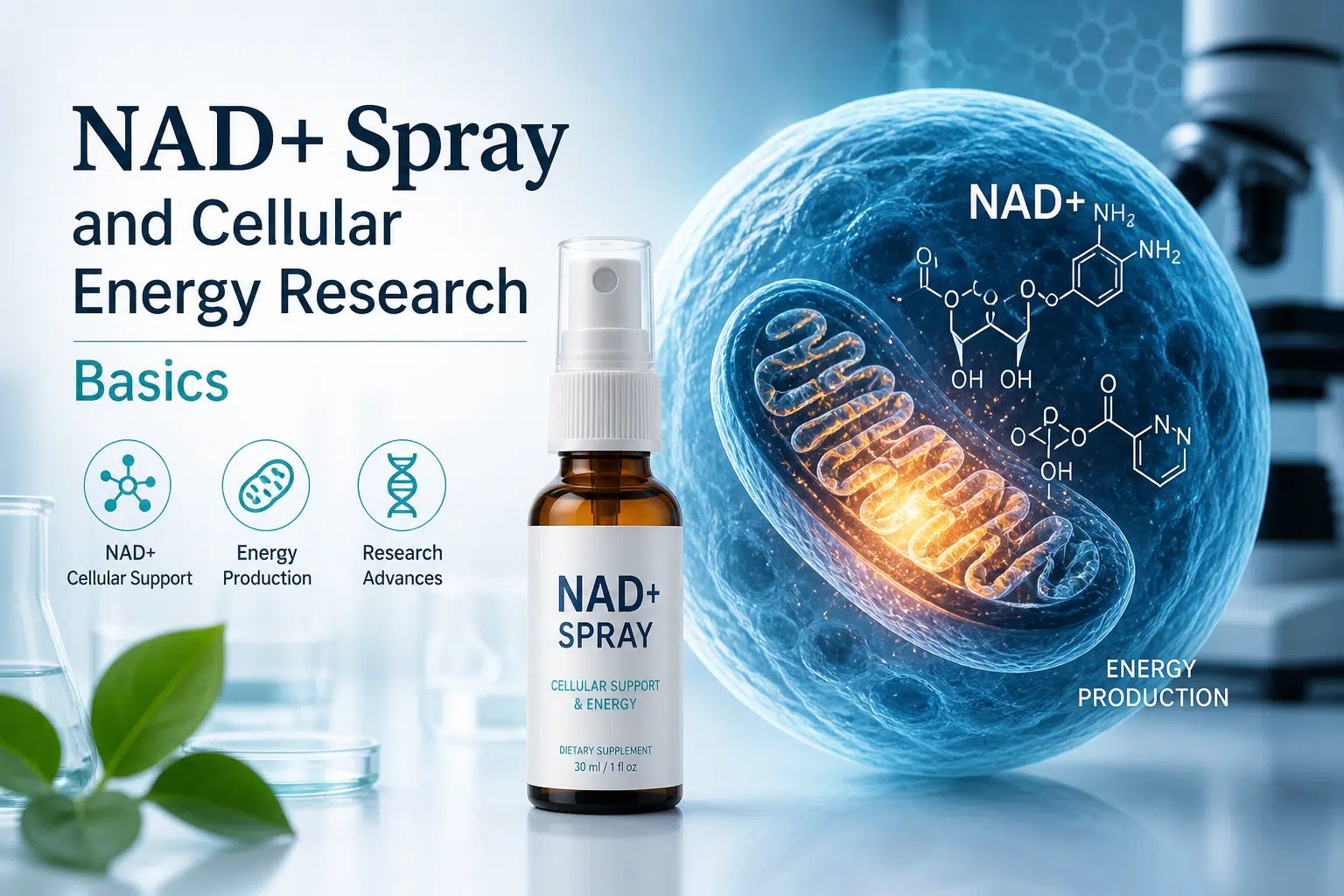
Cellular energy is one of the most important foundations of human biology. Every movement, thought, repair process, and metabolic reaction depends on the body’s ability to produce usable energy inside cells. As interest in longevity, recovery science, and metabolic wellness grows, more researchers are paying attention to compounds involved in this process. One of the most discussed names in recent years is NAD+ Spray.
NAD+ has become a trending topic because it plays a central role in how cells convert nutrients into energy. Since energy production naturally changes with age and stress, many studies now explore how NAD+ pathways may influence overall cellular performance.
What Is NAD+?
NAD+ stands for nicotinamide adenine dinucleotide. It is a coenzyme found in all living cells and is essential for many biological reactions. Its most recognized function is helping cells generate ATP, which is the body’s main energy currency.
Without adequate NAD+ activity, cells may struggle to efficiently transform food into usable energy. This is why NAD+ is frequently studied in fields connected to aging, metabolism, and mitochondrial function.
Why NAD+ Matters for Cellular Energy
Every cell in the body relies on mitochondria to help create energy. Mitochondria need support from various molecules, and NAD+ is one of the most important. It assists in transferring electrons during metabolic reactions that lead to ATP production.
When NAD+ availability declines, researchers believe cellular energy output may also become less efficient. This is one reason NAD+ has become a major topic in energy research and wellness science.
ATP→Cellular EnergyATP \rightarrow \text{Cellular Energy}ATP→Cellular Energy
Why NAD+ Spray Is Gaining Attention
Spray delivery formats have become increasingly popular because they offer a convenient option for users interested in modern wellness products. In research discussions, NAD+ Spray is often mentioned as an accessible format tied to NAD+ support concepts.
The popularity also comes from broader public interest in anti-aging science. Since NAD+ is commonly linked to mitochondrial performance and healthy aging pathways, spray versions have gained visibility in the peptide and wellness marketplace.
NAD+ and Mitochondrial Research
Mitochondria are often described as the powerhouses of the cell because they generate most cellular energy. If mitochondrial efficiency decreases, people may experience lower vitality, slower recovery, and reduced metabolic resilience.
Because NAD+ is deeply involved in mitochondrial function, researchers continue studying how NAD+ pathways relate to stamina, recovery, and long-term wellness. This connection has made NAD+ Spray a common topic in energy-focused discussions.
NAD+ and Healthy Aging
One reason NAD+ receives so much attention is that natural NAD+ levels may decline with age. Scientists studying aging often examine whether maintaining healthier cellular energy systems can support long-term function.
Although no single compound stops aging, NAD+ remains one of the most discussed molecules in longevity research. This has helped make NAD+ Spray increasingly popular among people following modern anti-aging trends.
Common Questions About NAD+ Spray
What is NAD+ used for in cellular research?
NAD+ is studied because it helps cells convert nutrients into energy and supports many metabolic reactions.
Why is NAD+ linked to mitochondria?
Mitochondria depend on NAD+ during processes that generate ATP, the body’s main usable energy source.
Why is NAD+ Spray popular?
It combines a trending wellness ingredient with a convenient spray format, making it attractive in research and wellness markets.
Does NAD+ decline with age?
Many studies suggest NAD+ levels may reduce over time, which is why aging researchers are interested in it.
Where can people explore research products related to NAD+?
You can review peptide and research wellness categories through River Peptides Ltd and similar specialist suppliers.
Final Thoughts
NAD+ Spray continues gaining attention because NAD+ is central to cellular energy production, mitochondrial activity, and aging research. As more people become interested in how cells create and maintain energy, NAD+ will likely remain one of the most recognized names in the wellness and longevity conversation.