Biohacking
How Freeze-Thaw Cycles Affect Peptide Stability in Research
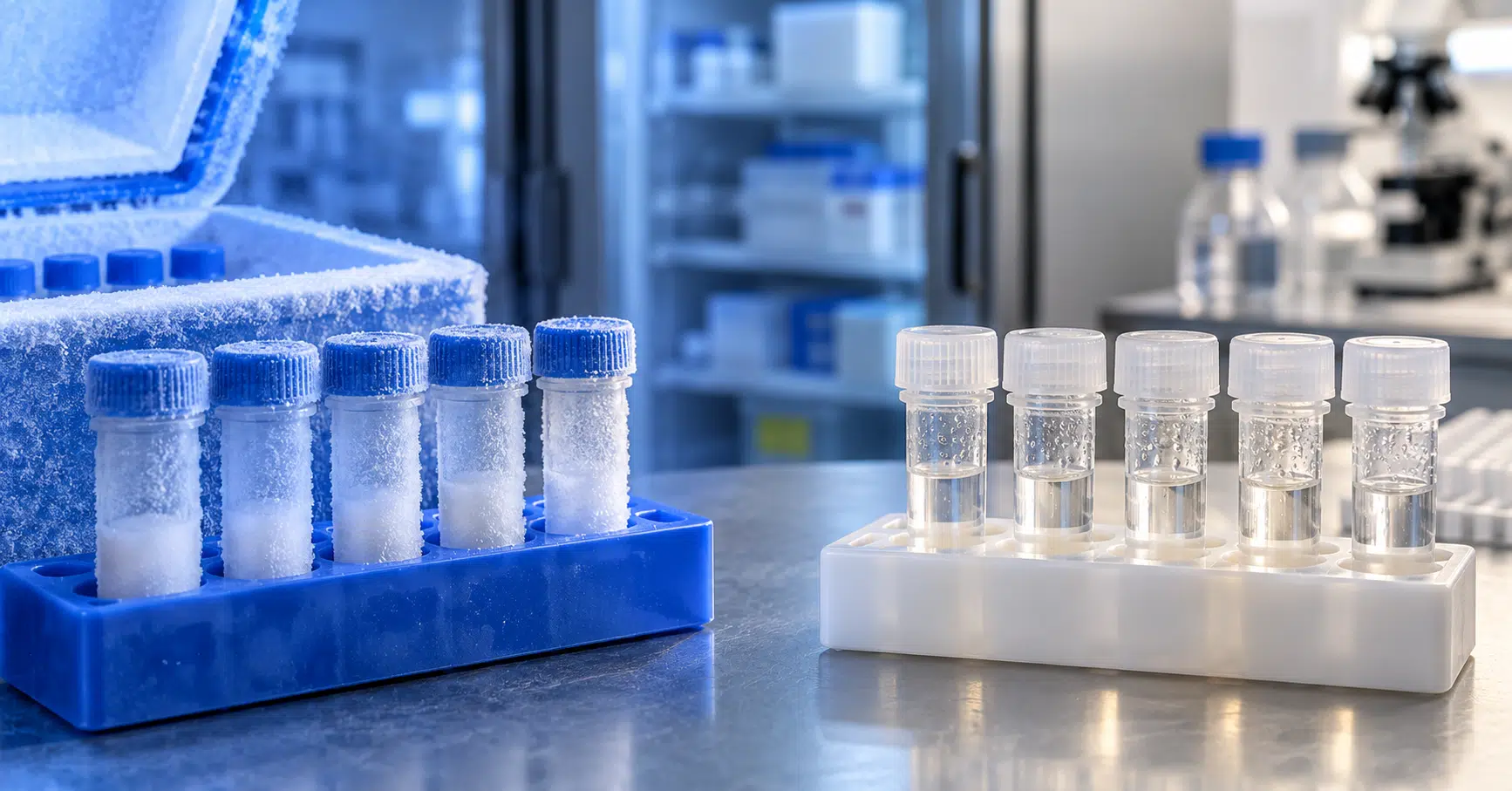
A peptide stock can spend most of its life in a freezer and still develop a complicated handling history. Each time the container is re...
Lyophilised vs Liquid Peptides: A Guide for Lab Researchers
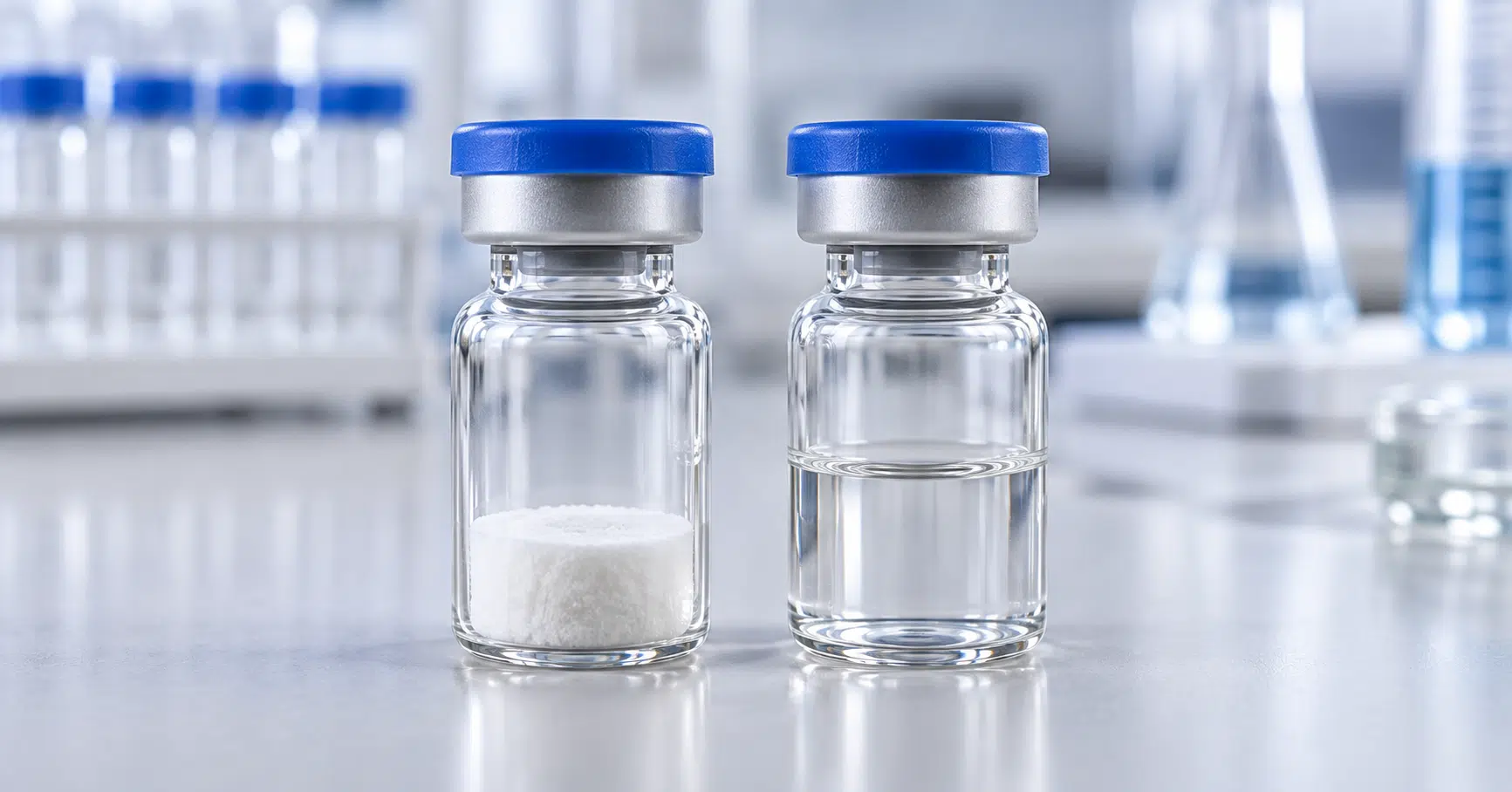
Choosing between lyophilised and liquid peptides affects how a laboratory prepares, stores and documents its research materials. Althou...

GHK-Cu Copper Peptide Deep Dive: What the Research Actually Shows
GHK-Cu copper peptide has been studied for five decades, from its discovery in human plasma in the 1970s to the copper peptide serums s...
What Does Semax Do? Mechanism and Research Timeline
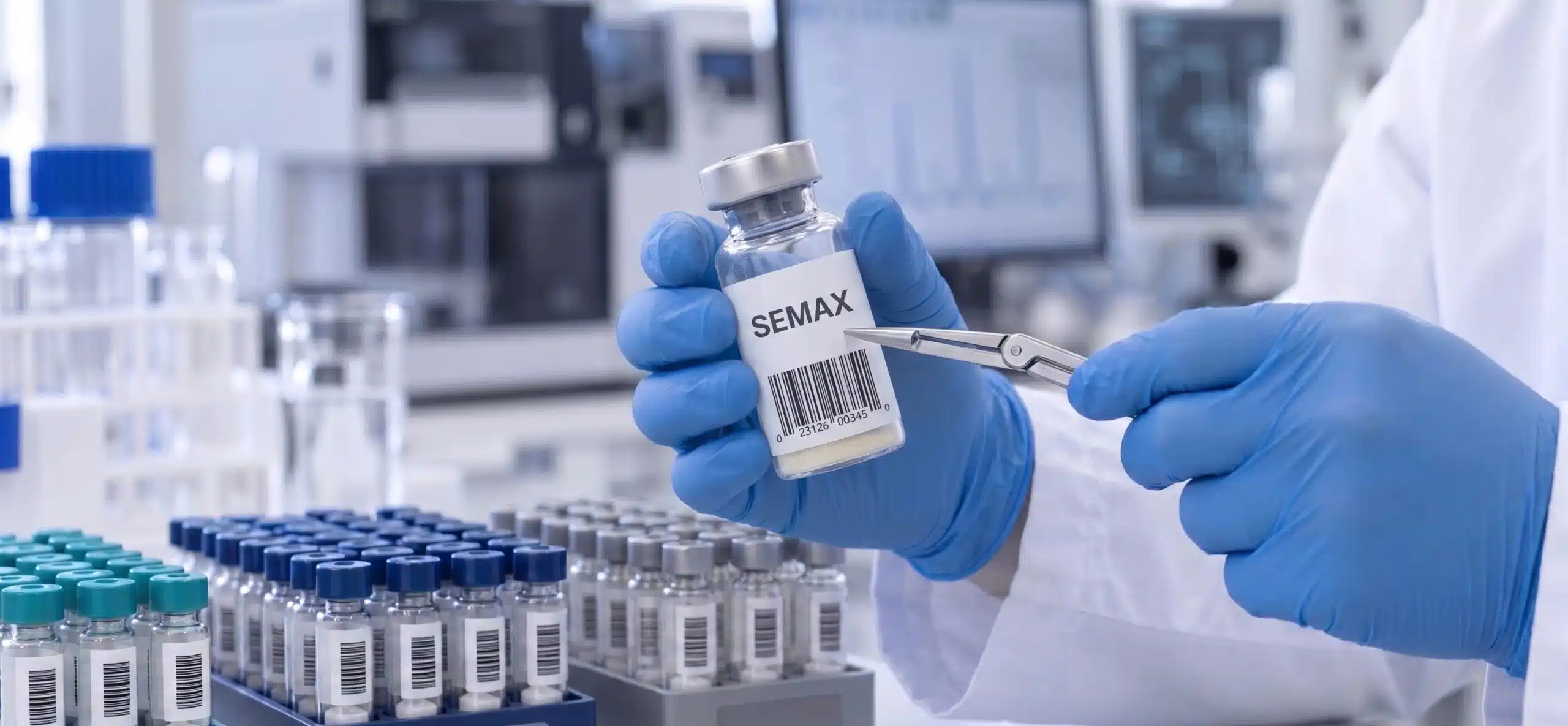
Semax is a synthetic peptide built from a fragment of adrenocorticotropic hormone (ACTH), extended with a stabilising Pro-Gly-Pro tail....
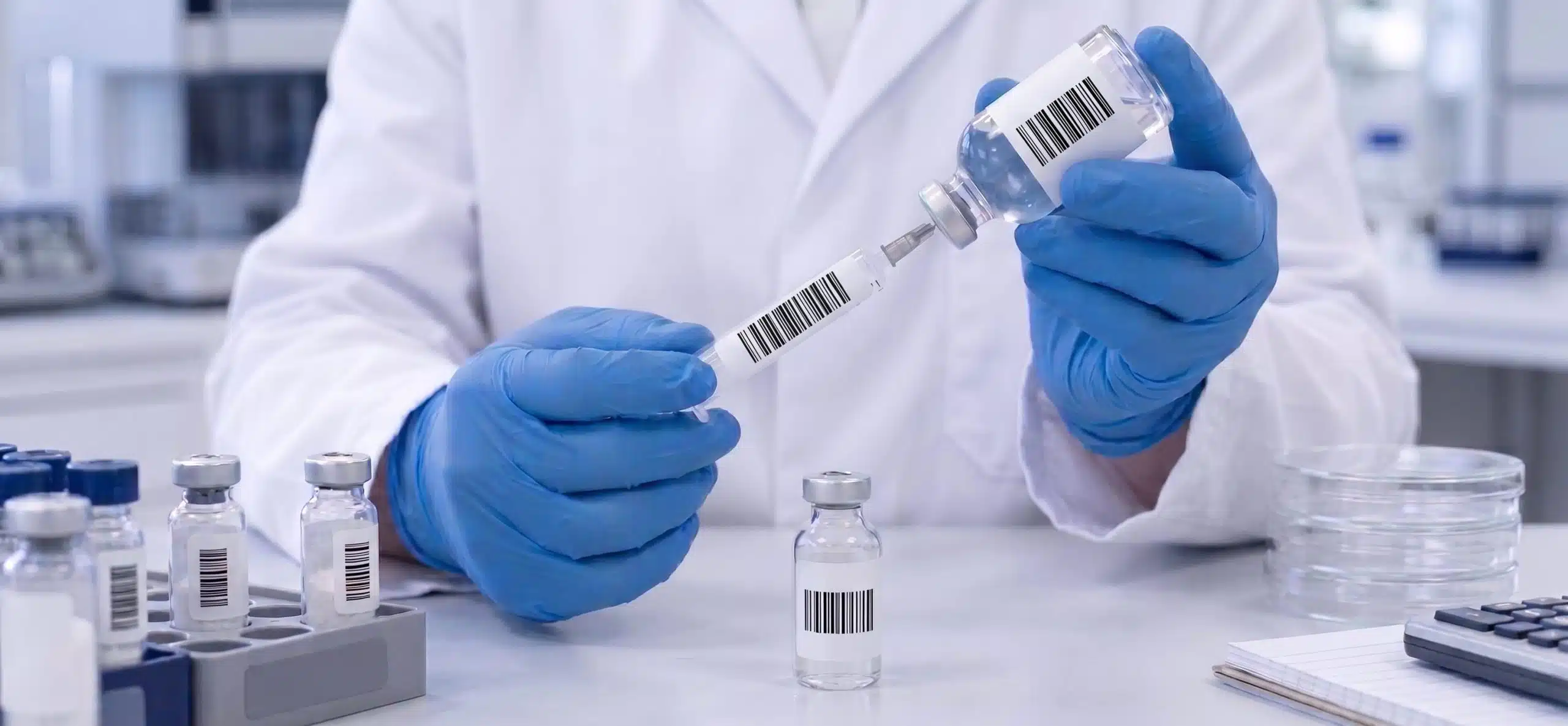
How Much Bacteriostatic Water to Use Per Vial: Reconstitution Ratios by Compound
There is no single correct answer to how much bacteriostatic water goes into a vial. The right volume depends on the vial's total conte...

Why Batch-Specific Peptide Testing Matters
Batch-specific peptide testing connects analytical results to an identifiable batch of material. Instead of relying on a general purity...
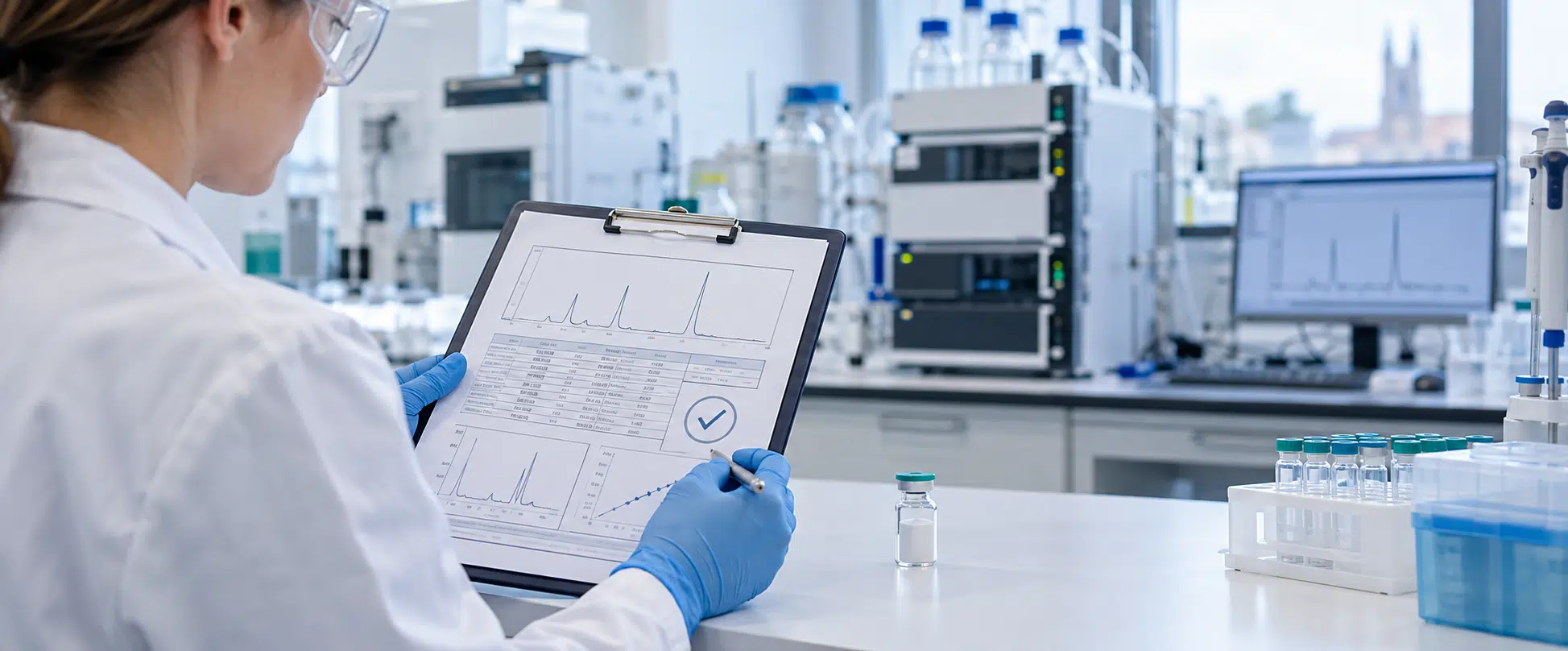
How to Read a Peptide Certificate of Analysis
A peptide certificate of analysis is one of the most important documents researchers can review before selecting a compound for laborat...

HPLC vs Mass Spectrometry in Peptide Testing
Understanding HPLC vs mass spectrometry in peptide testing starts with recognising that these methods answer different questions. HPLC ...
Pinealon vs Tesamorelin: Benefits, Research and Usage
Looking at pinealon vs tesamorelin is becoming increasingly relevant as the interest in peptide-based longevity and metabolic therapies...